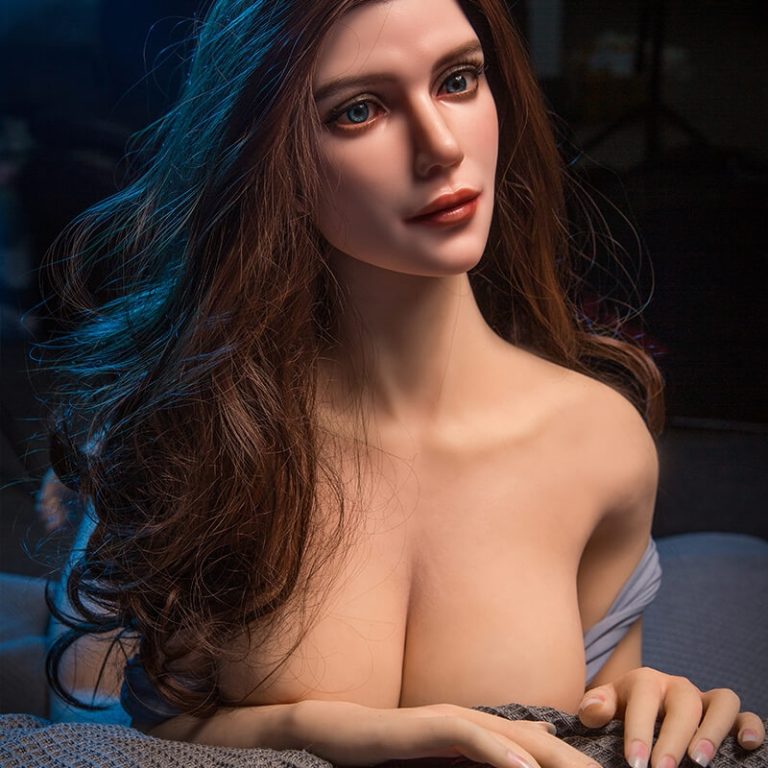
The Allure of Lifelikeness: Exploring the World of Realistic Dolls
In a world controlled by digital interactions and fleeting patterns, an unexpected niche has actually flourished: the world of realistic dolls. These are not your average childhood playthings; they are diligently crafted figures developed to simulate the appearance and, sometimes, even the feel of living beings. From the delicate wrinkles on an infant's hand to the subtle blush on a cheek, these dolls blur the lines in between toy and art, captivating collectors, artists, and those seeking convenience alike. This post delves into the interesting world of realistic dolls, exploring what makes them so engaging, the different kinds they take, and the varied reasons behind their growing popularity.
What precisely defines a "realistic doll"? It's more than simply a quite face. It's a confluence of creative techniques and materials that conspire to create an illusion of life. A number of essential elements add to the surprising realism of these creations:
- Material Mastery: The foundation of realism typically depends on the products used. Top quality vinyl and silicone are popular choices. Silicone, in specific, is admired for its soft, skin-like texture and capability to record great information. These products enable artists to produce dolls with a certain weight and flexibility that echoes the human kind.
- Sculpting with Precision: The shaping stage is important. Realistic doll artists have extraordinary sculpting abilities, able to meticulously mold functions that are not just visually pleasing but likewise anatomically plausible. They take note of the nuances of human anatomy, including subtle asymmetries and realistic percentages. Details like wrinkles around the eyes, the curve of a nose, and the delicate shape of ears are thoroughly rendered.
- Painting: Bringing Skin to Life: Painting transforms a blank canvas into a living visage. Realistic dolls are not just painted; they are fastidiously layered with subtle washes and blends of color. Artists use methods like blushing, shading, and veining to simulate the translucency and variations in human complexion. The goal is to create depth and measurement, offering the doll a truly realistic skin.
- Weight and Poseability: The feeling of holding a realistic doll can be surprisingly impactful. Many are weighted to simulate the heft of a real child or child, contributing to the sense of credibility. Furthermore, lots of realistic dolls are designed with jointed limbs, permitting a range of poses that even more enhance their realistic quality.
- Hair and Eyes: The Windows to the Soul: The hair and eyes are important features that add to the general realism. Hair is frequently rooted hair by strand, using premium mohair or human hair, to mimic natural hair growth patterns. Eyes are normally crafted from glass or acrylic and are thoroughly picked to match the doll's functions and enhance its viewed personality. Some artists even produce tailor-made eyes to attain a truly special and realistic gaze.
- Clothing and Accessories: The final touches frequently consist of carefully picked clothing and devices. From small diapers and knitted outfits for baby dolls to stylish ensembles for more fully grown figures, these details add to the general illusion and enable collectors to customize their dolls.
The world of realistic dolls is remarkably diverse, incorporating various classifications that accommodate different tastes and purposes. Here are some popular types:
- Reborn Dolls: Perhaps the most popular classification, born-again dolls are crafted to look like newborns or infants. They are incredibly popular and are often demanded by collectors, people seeking convenience, or perhaps as training tools for anticipating moms and dads. Reborn artists, frequently called "reborners," take blank vinyl doll sets and change them into exceptionally realistic children through meticulous painting, rooting, and weighting.
- Hyperrealistic Dolls: This is a more comprehensive category that encompasses dolls designed to resemble humans throughout different age, consisting of toddlers, children, teens, and adults. Hyperrealistic dolls push the borders of realism even further, frequently incorporating sophisticated materials and techniques to achieve a practically incredible level of lifelikeness. They can represent everyday individuals or perhaps be sculpted to look like specific individuals.
- Anatomically Correct Dolls: These dolls are created with precise physiological functions, consisting of genitalia. They are often utilized as instructional tools in sex education or for healing purposes for people who have experienced trauma or abuse. While frequently more niche, they serve a specific and crucial purpose.
- Dream Realistic Dolls: This less typical however significantly popular classification mixes realism with the fantastical. Artists create dolls that look like legendary animals like elves, fairies, and even fantastical animals, however with the same attention to detail and realistic qualities discovered in other realistic doll types.
The appeal of realistic dolls is diverse, resonating with individuals for a range of reasons:
- Artistic Appreciation and Collecting: For lots of, realistic dolls are artworks to be appreciated and collected. The ability and artistry associated with creating these dolls are indisputable, and collectors value the workmanship, information, and individuality of each piece. They are typically shown as cherished products and can become valuable antiques.
- Therapeutic Benefits: Realistic dolls can use convenience and assistance to people facing numerous emotional difficulties. They can be utilized as therapeutic tools for individuals grieving the loss of a kid, for those fighting with solitude, or for people with dementia who might discover convenience in nurturing a "infant." The tactile sensation and natural existence of the doll can be exceptionally calming.
- Hobby and Creative Outlet: For numerous enthusiasts, realistic dolls are a gateway to a vibrant hobby and imaginative outlet. Individuals enjoy dressing, posturing, photographing, and even crafting accessories for their dolls. It can become a satisfying and engaging leisure activity, fostering imagination and connection with a neighborhood of similar people.
- Parenting Practice and Play: While primarily meant for adults, specific child-appropriate realistic dolls can be used for mild play or as tools for kids to find out about nurturing and caregiving. However, it is vital to compare realistic art dolls planned for adult collectors and dolls created for children's play.
- Sense of Companionship: For some individuals, especially those living alone or dealing with social seclusion, realistic dolls can provide a sense of friendship. While not a replacement for human interaction, they can supply a reassuring existence and a focus for care and attention.
The development of realistic dolls is a labor-intensive and highly experienced procedure. Artists invest many hours in bringing these dolls to life, typically using a multi-stage procedure:
- Sculpting the Master: The artist starts by shaping the doll's kind in clay or a comparable medium. This is where the doll's distinct functions and character are initially formed.
- Molding and Casting: Once the sculpt is total, molds are produced to record every detail. These molds are then used to cast the doll parts in vinyl or silicone.
- Preparation and Cleaning: The cast parts are cleaned up and gotten ready for painting. Joint lines are gotten rid of, and the surface area is prepped for the layers of paint that will follow.
- Painting and Detailing: This is where the magic takes place. Using customized paints and strategies, the artist layers colors to produce realistic complexion, including veins, blushing, and other subtle details.
- Rooting Hair: If the doll has rooted hair, this painstaking procedure involves placing specific strands of mohair or human hair into the doll's scalp to create a natural-looking hairline.
- Assembly and Finishing: Finally, the doll's parts are assembled, eyes are placed, and the doll is weighted and settled with any additional information, such as eyelashes or painted nails.
Regardless of their appeal and creative benefit, realistic dolls are not without their critics and ethical factors to consider. The "Uncanny Valley" theory suggests that as something becomes progressively human-like, however not quite perfect, it can stimulate sensations of unease and revulsion. Some argue that extremely realistic dolls, especially those resembling infants, can activate this unsettling sensation. Moreover, concerns have been raised about the potential for the over-sexualization of dolls, particularly those portraying children, and the ethical ramifications of creating hyperrealistic representations of susceptible groups. It's necessary to approach these dolls with awareness and level of sensitivity, recognizing both their artistic value and the capacity for misconception or misuse.
In conclusion, realistic dolls represent a fascinating intersection of art, workmanship, and human feeling. They are far more than simple toys; they are meticulously crafted developments that evoke a sense of life and connection. Whether seen as collectible art pieces, restorative aids, or simply objects of fascination, realistic dolls continue to mesmerize and influence, taking a special niche in the world of art and beyond.
Often Asked Questions (FAQs) about Realistic Dolls:
Q: What is the distinction between a born-again doll and a hyperrealistic doll?
A: While both classifications aim for realism, reborn dolls particularly concentrate on duplicating newborn infants or babies. Hyperrealistic dolls is a broader term including dolls of different ages (children, kids, adults) and levels of realism, typically pressing the limits of lifelikeness even more.
Q: Are realistic dolls toys for children?
A: Generally, no. Most realistic dolls, especially high-end reborn and hyperrealistic dolls, are meant for adult collectors and enthusiasts. While some child-friendly, less comprehensive realistic dolls exist, the majority are fragile art pieces not developed for rough play.
Q: How much do realistic dolls cost?
A: The cost of realistic dolls varies greatly depending on the artist, materials used, level of information, and type of doll. Standard reborn kits can start at around ₤ 100-₤ 200, while high-end personalized hyperrealistic dolls can cost thousands of dollars.
Q: What products are used to make realistic dolls?
A: Common products consist of vinyl and silicone. Vinyl is more affordable and resilient, while silicone is softer, more skin-like, and permits finer information, making it a more superior option. sex dolls include mohair or human hair for rooting, glass or acrylic eyes, and different paints and pigments for accomplishing realistic skin tones.
Q: How do I look after a realistic doll?
A: Care instructions vary depending on the doll's product. Generally, keep dolls far from direct sunlight and extreme temperatures. Handle them carefully, prevent using harsh cleansing items, and keep them in a safe location to avoid damage. For specific care advice, speak with the artist or seller.
Q: Where can I buy realistic dolls?
A: Realistic dolls can be acquired from different sources:
- Online Marketplaces: Websites like Etsy, eBay, and specialized doll online forums host artists and sellers.
- Doll Shows and Conventions: Doll shows and conventions are excellent locations to see dolls face to face and satisfy artists.
- Straight from Artists: Many artists offer directly through their sites or social networks platforms.
- Specialized Doll Shops: Some brick-and-mortar and online stores concentrate on realistic dolls.
Q: Are realistic dolls scary?
A: Whether a realistic doll is thought about "scary" is subjective. Some people discover them disturbing due to the "Uncanny Valley" result, while others are captivated by their realism and artistry. Individual perception differs extensively.